 0
0
 0
0
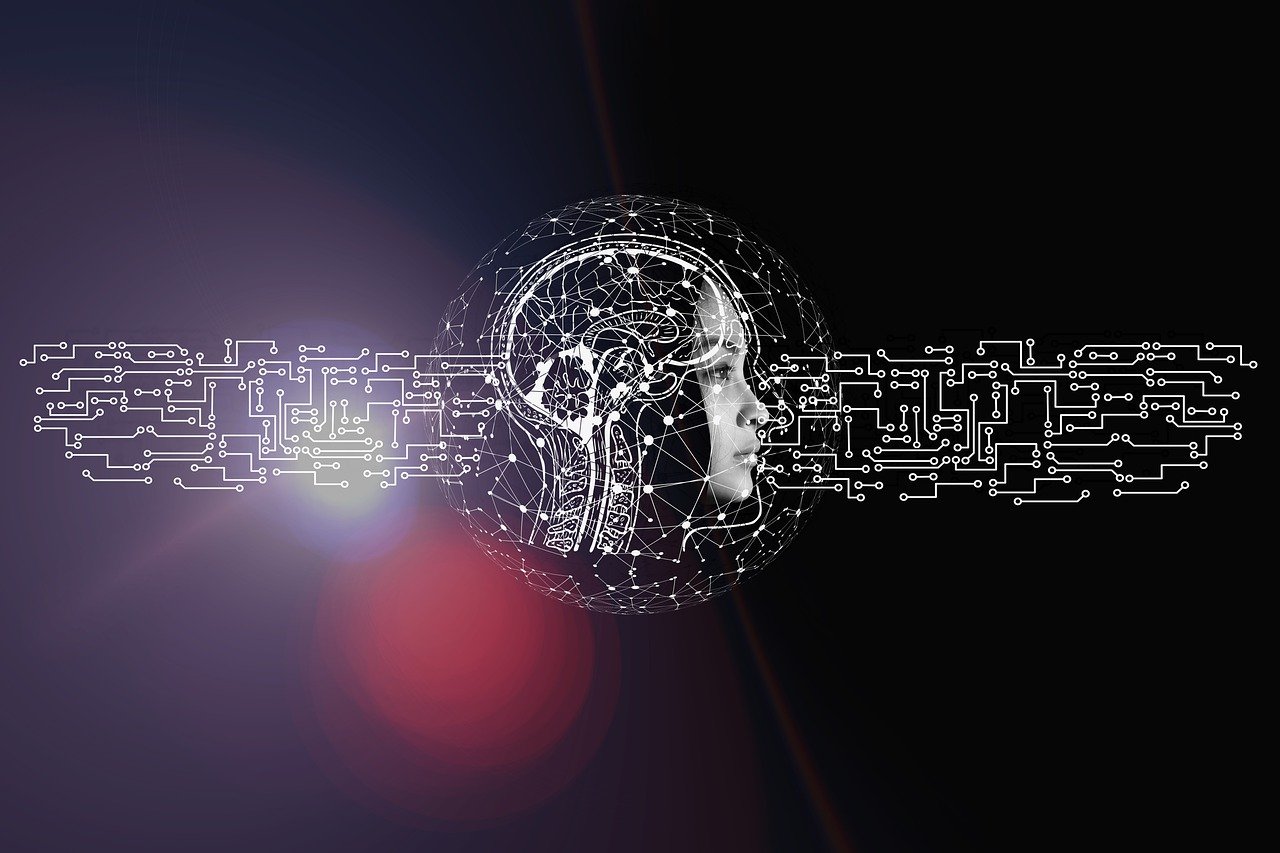
Artificial intelligence has moved from the margins of science fiction into the center of global conversation. It writes text, analyzes medical images, designs molecules, drives cars, and increasingly shapes the systems that shape us. But beneath the excitement lies a deeper question—one that philosophers, engineers, and policymakers continue to debate: Can AI actually think? And if not yet, what kind of future are we building as AI becomes more capable, more autonomous, and more deeply woven into society?
The Thinking Machine Debate: What Does “Thinking” Even Mean?
The question “Can AI think?” is not new. Alan Turing raised it in the 1950s, laying the philosophical groundwork for today’s AI research. Modern systems—especially large language models—can generate text, interpret images, and solve problems in ways that appear intelligent. But appearance is not the same as cognition.
Current AI systems excel at pattern recognition, not consciousness. They learn from vast datasets and predict what comes next. They do not possess self-awareness, emotions, or intrinsic understanding. As researchers note, today’s AI represents narrow intelligence, highly optimized for specific tasks but unable to transfer knowledge across domains without retraining.
Yet the line between simulation and cognition is blurring. Multimodal models—those that combine language, vision, reasoning, and decision-making—are pushing AI toward broader capabilities. These systems can “navigate” complex environments, integrate information, and perform tasks once thought to require human intelligence.
So while AI does not “think” like humans, it increasingly performs tasks that require something akin to thinking.
The Next Decade: From Tools to Teammates
The future of AI is not about machines replacing humans—it’s about machines becoming partners in work, creativity, and decision-making.
1. AI Will Become More Specialized
The era of one-size-fits-all AI is ending. Industries are shifting toward vertical LLMs—models trained on domain-specific data for medicine, finance, law, and science. These systems promise higher accuracy, lower cost, and better governance.
2. AI Agents Will Act, Not Just Advise
AI is evolving from passive assistants into autonomous agents capable of executing tasks end-to-end. In business, AI agents may soon handle procurement, logistics, and customer interactions—reshaping workflows and organizational design.
3. AI Will Be Everywhere—Quietly
AI is already embedded in business decisions, supply chains, and digital infrastructure. Many leaders underestimate how deeply AI is influencing strategy and operations. By 2028, up to 90% of B2B buying may be mediated by AI agents.
4. AI Will Transform Daily Life
From healthcare to education to household tasks, AI will become a fixture of everyday routines. Generative AI will support research, accelerate scientific discovery, and enhance hybrid workforces.
5. Nations Will Build Their Own AI
Countries are developing sovereign AI platforms to protect data, ensure security, and maintain competitive advantage. Over 60 nations already have national AI strategies.
The Risks: What We Must Confront
The rise of AI brings profound challenges:
- Erosion of critical thinking: Overreliance on AI tools may weaken human analytical skills.
- Economic disruption: Automation will reshape labor markets, requiring new skills and new forms of social support.
- Ethical dilemmas: Bias, misinformation, and opaque decision-making demand strong governance.
- Geopolitical tensions: AI is becoming a strategic asset, influencing global power dynamics.
These risks are not reasons to halt progress—they are reasons to guide it responsibly.
So, Can AI Think?
Not in the human sense. But it can reason, learn, adapt, and solve problems in ways that increasingly resemble thinking. And as AI systems become more integrated, multimodal, and autonomous, the boundary between “thinking” and “simulating thought” will continue to blur.
The more important question may be:
How will we think about ourselves in a world where machines can do so much of what once defined human intelligence?
The Future We Choose
AI is not destiny—it is design. The next decade will be shaped by the choices we make now:
- How we regulate AI
- How we integrate it into education and work
- How we ensure fairness, transparency, and accountability
- How we preserve human creativity, empathy, and critical thinking
Artificial intelligence will add trillions to the global economy, transform industries, and reshape society. But its greatest impact will be on how we understand intelligence, agency, and what it means to be human.
The future of AI is not just about smarter machines.
It’s about a smarter, more thoughtful humanity.
- Hector Pascua with references from:
- https://www.gartner.com/en/articles/strategic-predictions-for-2026
- https://www.ibm.com/think/insights/artificial-intelligence-future, https://builtin.com/artificial-intelligence/artificial-intelligence-future
- https://www.future-processing.com/blog/ai-predictions-2026
- picture: pixabay.com



This post has already been read 8426 times!